How Salt, Weather, and Sun Destroy Concrete — And What Homeowners Can Do to Protect It
Concrete is one of the strongest and most reliable building materials on the planet — but even the toughest concrete has an enemy. In fact, it has several: road salt, freeze–thaw cycles, moisture, and harsh summer sun.
Over time, these elements work together to break down concrete driveways, garage floors, sidewalks, patios, and home pads. If you’ve noticed cracking, chipping, flaking, spalling, or crumbling concrete around your property, you’re not alone — and it’s absolutely fixable.
Here’s why concrete becomes damaged, how to recognize early warning signs, and what you can do to restore and protect it for good.
1. How Salt Damages Concrete (The Hidden Culprit Behind Spalling)
Salt is one of the most damaging chemicals to concrete surfaces — especially in winter climates.
Here’s what happens:
- Salt melts ice
- Melted water soaks into the concrete
- Temperatures drop again
- That water refreezes and expands
- The expansion pushes the concrete apart from the inside
This cycle creates spalling — the flaking, chipping, and peeling of concrete surfaces.
Salt also increases the freeze–thaw cycle, meaning more expansion and contraction in the concrete. Over time, this weakens the surface and shortens the life of driveways, walkways, and garage pads.
2. Weather Is One of Concrete’s Biggest Enemies
Weather alone can deteriorate concrete faster than most homeowners realize.
Freeze–Thaw Cycles
Winter temperatures repeatedly move above and below freezing. Moisture inside the concrete expands, contracts, and eventually causes:
- Cracks
- Surface separation
- Deep fractures
- Crumbling edges
Heavy Rain & Standing Water
Water breaks down concrete by:
- Penetrating pores
- Increasing erosion
- Promoting mold and mildew
- Weakening the foundation beneath the slab
Extreme Heat
Hot weather causes concrete to expand, leading to:
- Surface cracking
- Weak spots
- Early deterioration
If your concrete has been exposed to extreme temperatures for years, it's likely showing signs of stress.
3. Sun Exposure Causes Surface Weakening and Discoloration
Constant UV exposure doesn't just fade concrete — it slowly weakens it.
Here’s how the sun damages concrete:
- UV rays break down the binding materials
- Heat causes expansion and microcracks
- Moisture evaporates too quickly, reducing surface strength
- Repeated cycles of heat and cool lead to premature wear
The result? Chalky, brittle, discolored concrete that continues to crack and chip.
4. Signs Your Concrete Is Deteriorating
If you see any of the following, your concrete needs attention:
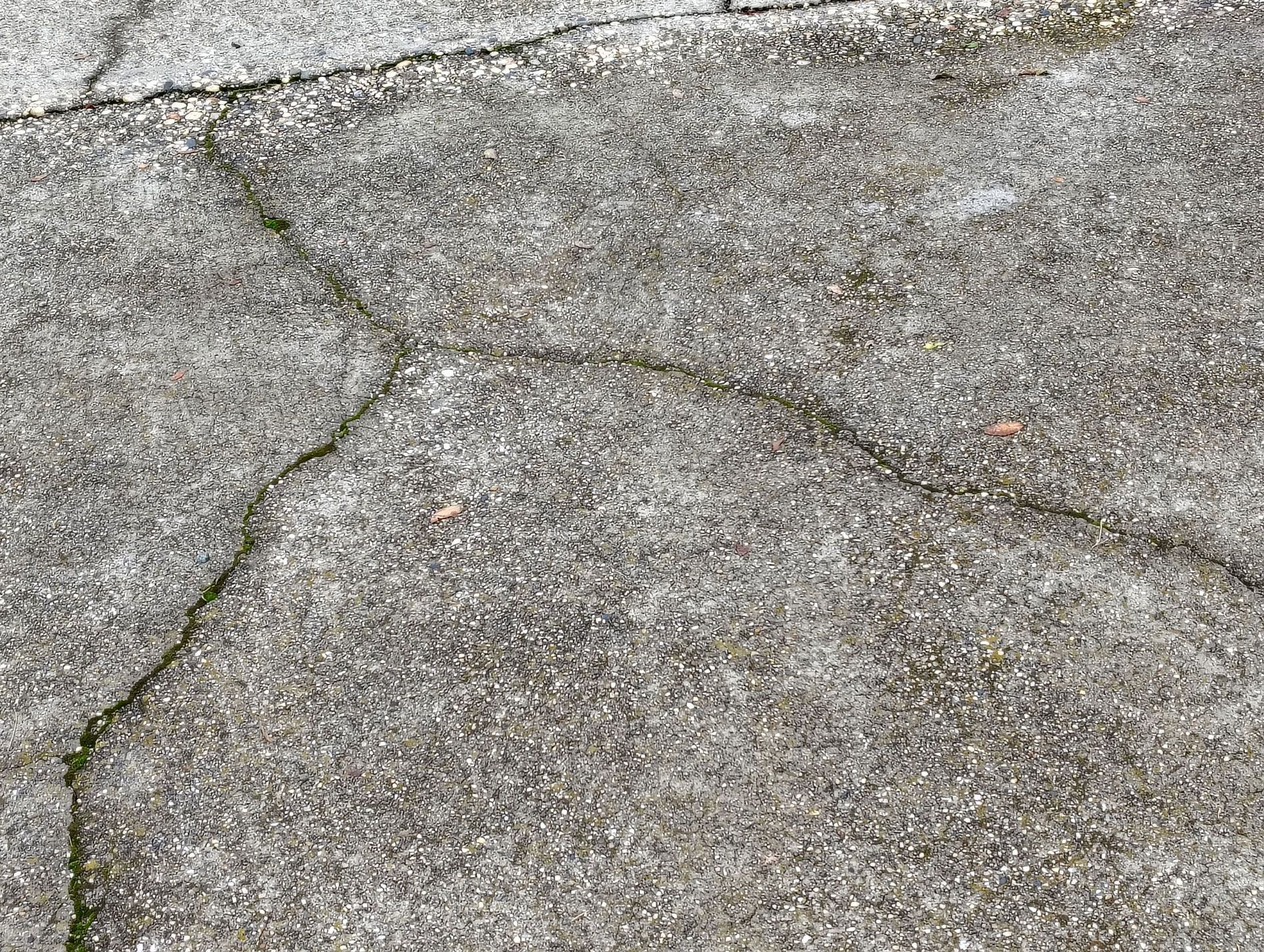
- Surface flaking or peeling
- Chips or pits
- White powdery residue
- Rust-colored stains
- Deep cracks
- Uneven or sunken slabs
- Exposed aggregate
- Crumbling corners or edges
- Water pooling or drainage problems
These signs mean the concrete surface is breaking down — and the deeper the damage gets, the more costly repairs become.
5. How to Fix Damaged Concrete — Your Options
The good news? Most damaged concrete can be saved before full replacement is needed.
✔ Concrete Resurfacing
If the surface is deteriorated but the slab is structurally sound, resurfacing can give your concrete a completely fresh finish. This is ideal for:
- Salt damage
- Surface wear
- Minor cracks
- Flaking or spalling
A professional resurfacing treatment seals, smooths, and restores the concrete to like-new condition.
✔ Concrete Repair
Individual cracks, chips, and spalling areas can often be repaired without replacing the entire slab. Repair options include:
- Crack filling
- Patching broken sections
- Grinding and smoothing
- Re-leveling uneven spots
This extends the life of your driveway or pad while preventing further deterioration.
✔ Concrete Replacement
If the concrete is severely damaged, sinking, or structurally compromised, replacement may be the safest long-term option.
Replacement is recommended when:
- Deep cracks run across the slab
- The slab has settled or sunk
- Water drainage is poor
- Large areas are crumbling or unstable
Replacing damaged concrete gives you a solid, long-lasting foundation you can trust for decades.
6. How to Protect Your Concrete From Future Damage
After repairing or replacing damaged concrete, ongoing protection is essential. The best way to protect your concrete is through proactive maintenance:
✔ Seal Your Concrete
Sealing prevents moisture, salt, and chemicals from penetrating the surface.
✔ Avoid Salt When Possible
Use non-chloride ice melt products to reduce spalling.
✔ Keep Water Flowing Away From Your Home
Proper drainage prevents erosion and freeze–thaw damage.
✔ Clean Debris and Stains Regularly
Oil, dirt, and buildup can worsen surface deterioration.
✔ Repair Cracks Early
Small cracks grow quickly — fix them before freeze–thaw cycles enlarge them.
Preventative maintenance extends your concrete’s lifespan by 10–15 years or more.
The Bottom Line:
Concrete Damage Isn’t Just Cosmetic — It’s a Warning Sign
Salt, weather, moisture, and sun all break down concrete over time. But with proper repair, resurfacing, or replacement, your concrete can be restored and protected for the long haul.
Whether your driveway is cracking, your sidewalks are chipping, or your garage pad is spalling from salt damage, it’s important to act early — before the damage spreads deeper.
Need Concrete Repair or Replacement? We Can Help.
We repair, resurface, and replace:
- Concrete driveways
- Sidewalks and walkways
- Garage pads
- Home pads
- Patios
- Steps
- Foundations