Why Concrete Sealers and Coatings Are Essential for Protecting Your Driveway, Garage, and Home Pads
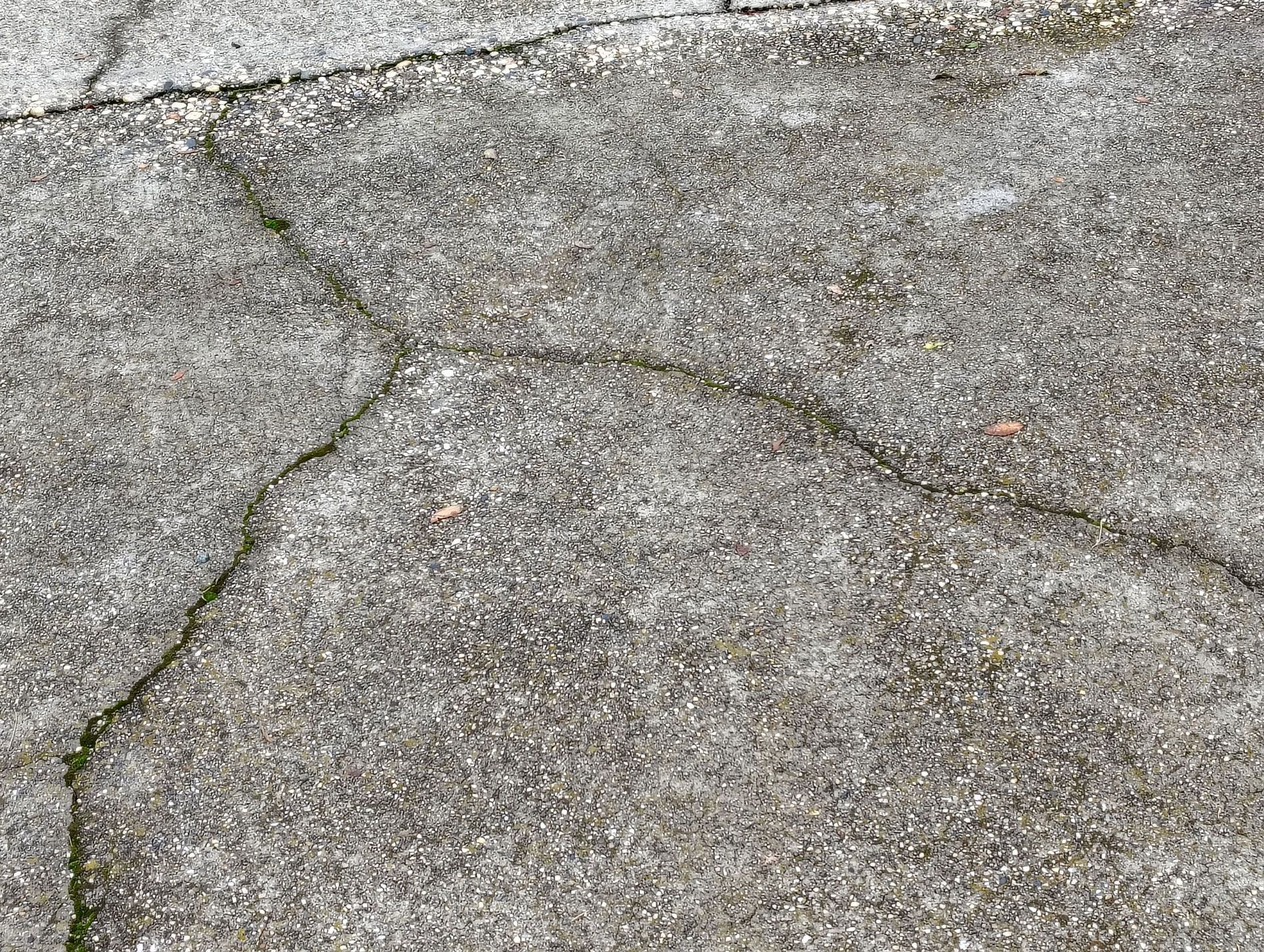
Concrete is built to be strong — but without protection, even the toughest concrete will eventually crack, stain, deteriorate, and lose its appearance. Weather, salt, chemicals, UV exposure, and everyday wear all break down unprotected concrete surfaces.
That’s why concrete sealers and protective coatings are one of the smartest investments a homeowner can make. Whether it's a concrete driveway, garage pad, patio, or home foundation pad, sealing your concrete extends its life, enhances its appearance, and provides long-term durability.
If you want your concrete to last for decades, sealing isn’t optional — it’s essential.
1. What Concrete Sealers Actually Do (And Why They Matter)
Concrete looks solid, but it’s a porous material. That means moisture, chemicals, oils, and salts easily penetrate the surface.
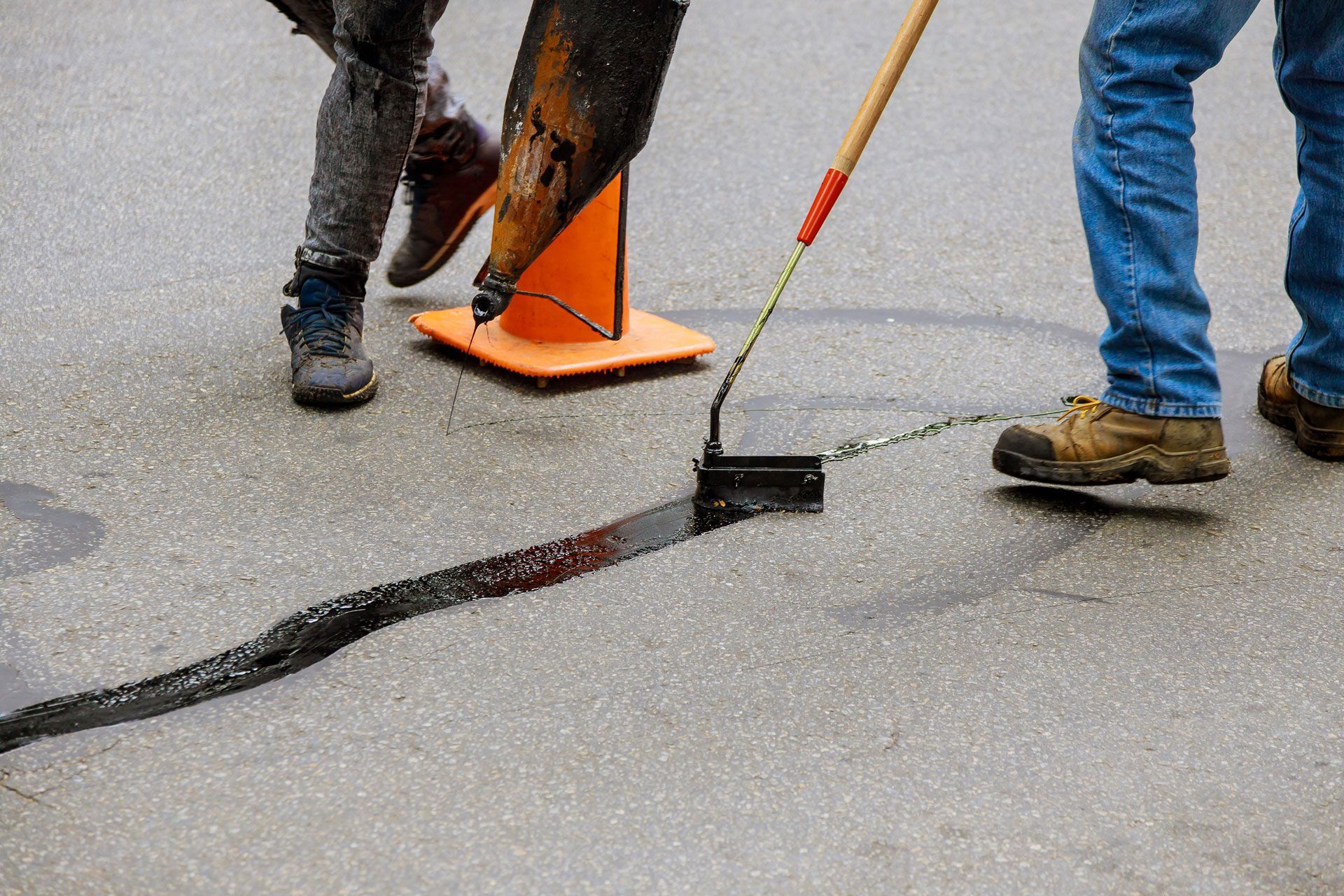
Concrete sealers create a protective barrier that:
- Repels water
- Blocks salt and chemical penetration
- Prevents cracks and surface deterioration
- Protects against freeze–thaw damage
- Resists stains from oil, grease, and rust
- Shields against UV fading and weather wear
- Strengthens the surface
Without a sealer, concrete ages much faster — especially in areas with rain, snow, temperature swings, or winter salt exposure.
2. Types of Concrete Sealers and Which Ones Work Best
Not all sealers are the same. The right choice depends on the surface and how the concrete is used.
✔ Penetrating Sealers
These soak into the concrete and protect it from the inside out.
Best for:
- Driveways
- Sidewalks
- Patios
- Home pads
- Areas exposed to rain and freeze–thaw conditions
Benefits:
- Long-lasting
- Invisible finish
- Excellent water and salt protection
✔ Acrylic Sealers
These form a thin protective film on the surface.
Best for:
- Decorative concrete
- Stamped concrete
- Patios
- Accent concrete
Benefits:
- Enhances color
- Adds a glossy or matte finish
- UV-resistant
✔ Epoxy Concrete Coatings
Epoxy creates a thick, durable surface layer.
Best for:
- Garage pads
- Workshops
- Commercial concrete floors
Benefits:
- High durability
- Chemical and oil resistant
- Creates a polished, professional look
✔ Polyaspartic Coatings
Known as the next generation of concrete coatings.
Best for:
- Garage floors
- Heavy-traffic areas
- Home or commercial pads
Benefits:
- Faster curing than epoxy
- UV stable
- Extremely tough and long-lasting
3. Why Your Driveway Needs a Concrete Sealer
Your driveway faces the harshest conditions of any concrete surface. If left unsealed, it will begin to:
- Crack
- Chip
- Spall
- Absorb oil and chemical stains
- Break down from salt exposure
A high-quality penetrating sealer protects your driveway from winter salt, moisture, and traffic damage — helping it stay strong and attractive for decades.
4. Why Your Garage Pad Should Have a Coating
Garage floors take a beating from:
- Vehicle traffic
- Oil and grease
- Chemical spills
- Road salt
- Heavy equipment
- Moisture and humidity
Without a coating, your garage pad will stain, crack, and deteriorate over time. Epoxy or polyaspartic coatings create a smooth, sealed, ultra-durable surface that:
- Resists chemicals and stains
- Prevents salt damage
- Makes cleaning easy
- Adds a polished, professional look
- Extends the life of the concrete
5. Sealers Protect Against Freeze–Thaw Damage
Winter is brutal on concrete. Moisture enters tiny pores in the concrete, freezes, and expands — causing cracks, chips, and spalling.
A premium concrete sealer prevents water from entering the surface in the first place, making freeze–thaw cycles far less damaging.
This is especially important for:
- Driveways
- Sidewalks
- Porches
- Outdoor steps
- Exposed patios
If your concrete sees winter weather, sealer is mandatory.
6. Sealers and Coatings Can Restore Old Concrete Too
You don’t need a brand-new driveway or garage floor to benefit from sealing. Old concrete can often be repaired, cleaned, and sealed to look dramatically better.
Professional restoration can include:
- Crack repair
- Surface cleaning and pressure washing
- Resurfacing
- Applying a protective sealer or coating
A worn, aged concrete pad can be transformed into a clean, strong, attractive surface with the right treatment.
7. How Often Should You Seal Your Concrete?
Frequency depends on the type of sealer:
- Penetrating sealers: Every 5–10 years
- Acrylic sealers: Every 1–3 years
- Epoxy coatings: Every 5–10 years
- Polyaspartic coatings: Often 10+ years
Routine sealing dramatically extends the lifespan of all outdoor concrete surfaces.
The Bottom Line:
Concrete Sealers and Coatings Protect Your Investment
Whether it’s your driveway, patio, garage pad, or home foundation pad, sealing your concrete is one of the smartest maintenance decisions you can make.
Sealers and coatings:
- Protect against weather damage
- Prevent salt deterioration
- Block oil, chemicals, and stains
- Reduce cracking and deterioration
- Extend the life of your concrete
- Improve appearance instantly
- Save you thousands in future repairs
Unsealed concrete breaks down — sealed concrete stays strong.